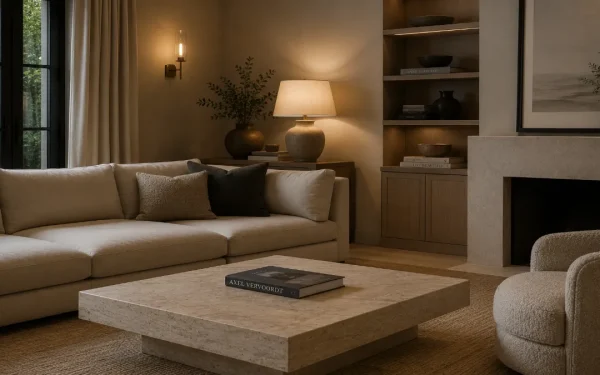
The best home decoration lights combine layered lighting ambient, task, and accent to create warmth, depth, and function in every room. In 2026, homeowners are moving beyond a single overhead fixture and instead mixing pendant lights, LED strips, floor lamps, and smart bulbs to control brightness and color temperature by mood, time of day, or activity.
Choosing the right home decoration lights isn’t just about picking a pretty fixture off a shelf. It’s about understanding how light shapes a room’s atmosphere, how color temperature affects mood, and how placement can make a small space feel larger or a large space feel cozier. This guide walks through the practical decisions that go into building a lighting scheme that looks good and actually works for how you live.
What Are the Different Types of Home Decoration Lights?
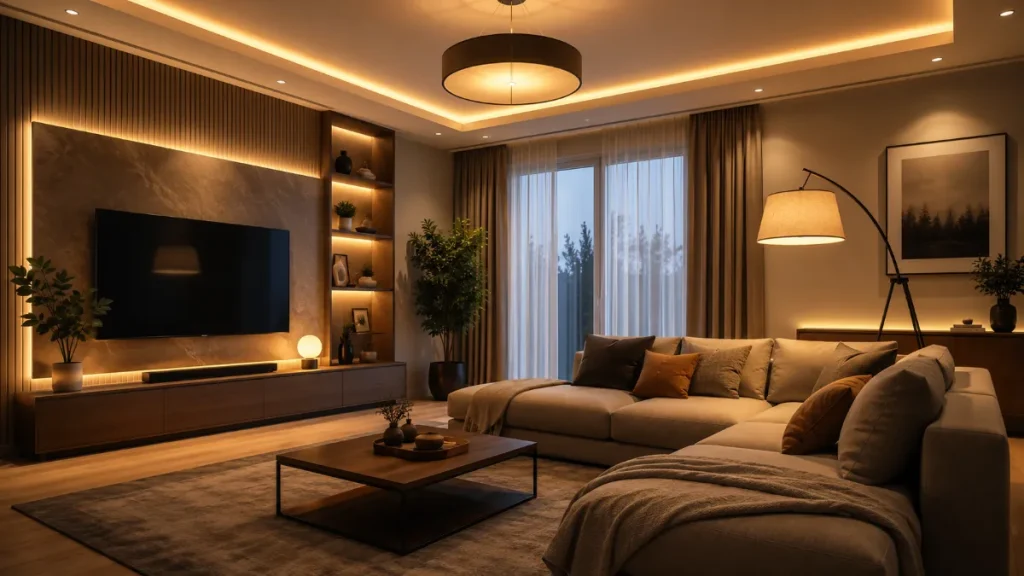
There are four core categories of home decoration lights: ambient (general), task, accent, and decorative. Most well-designed rooms use a combination of at least three of these to avoid the flat, harsh look of a single overhead bulb.
Ambient Lighting
Ambient lighting provides the overall illumination for a room. This includes ceiling fixtures, flush mounts, and recessed lighting. It’s the foundation layer that everything else builds on.
Task Lighting
Task lighting is focused light for specific activities — reading, cooking, applying makeup, or working at a desk. Desk lamps, under-cabinet kitchen lights, and adjustable floor lamps fall into this category.
Accent Lighting
Accent lighting highlights architectural features, artwork, or plants. Picture lights, LED strip lights along shelving, and small spotlights are common accent choices.
Decorative Lighting
Decorative lighting is chosen primarily for its visual impact — statement chandeliers, string lights, sculptural table lamps, and pendant clusters. These pieces double as functional light sources and as design objects in their own right.
- Ambient: ceiling fixtures, flush mounts, recessed cans
- Task: desk lamps, reading lamps, under-cabinet strips
- Accent: picture lights, shelf LED strips, spotlights
- Decorative: chandeliers, statement pendants, string lights
Key Takeaway: A well-lit room typically uses ambient, task, and accent lighting together rather than relying on one overhead fixture. Layering light is the single most reliable way to upgrade the feel of a room.
How Do You Choose the Right Color Temperature for Home Decoration Lights?
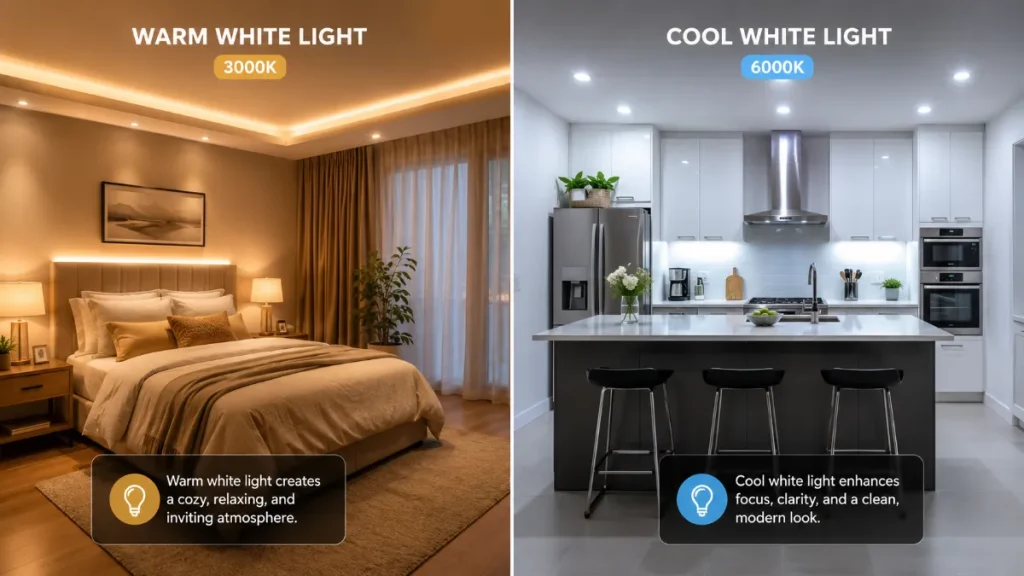
Choose warm white (2700K–3000K) for living rooms and bedrooms, neutral white (3500K–4000K) for kitchens and bathrooms, and cool white (5000K+) only for task-heavy spaces like garages or home offices. Color temperature has a direct effect on how relaxed or alert a space feels.
Designers often recommend sticking to warmer tones throughout most of the home in 2026, since research on circadian lighting continues to show that cooler, bluer light in the evening can interfere with sleep quality. Many smart bulbs now let you shift color temperature automatically as the day progresses, which solves this without requiring you to swap bulbs manually.
| Room | Recommended Color Temperature | Why |
|---|---|---|
| Living Room | 2700K–3000K | Warm, relaxing atmosphere for evenings |
| Bedroom | 2200K–2700K | Supports winding down before sleep |
| Kitchen | 3500K–4000K | Bright enough for prep and cooking tasks |
| Home Office | 4000K–5000K | Keeps focus and alertness up during work hours |
| Bathroom | 3000K–4000K | Balanced tone for grooming and makeup |
Key Takeaway: Match color temperature to the room’s purpose warm tones for relaxing spaces, cooler tones for task-focused areas and consider smart bulbs that adjust automatically throughout the day.
Where Should You Place Home Decoration Lights for Maximum Impact?
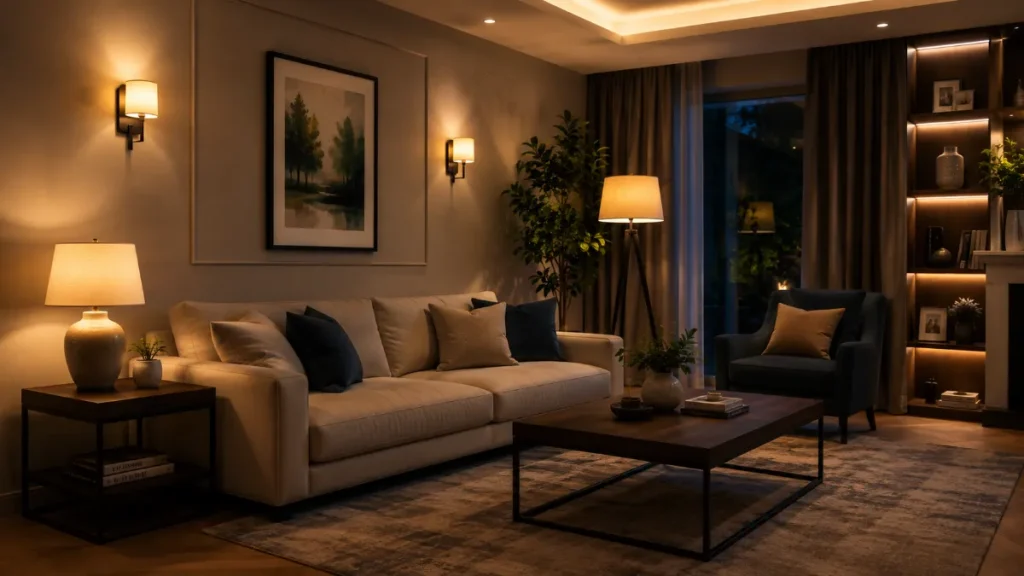
Place lights at varying heights around the perimeter of a room rather than only from the ceiling, since this reduces harsh shadows and creates a more natural, layered glow. A common professional guideline is to have at least three light sources at three different heights in any primary living space.
Living Room Placement
Combine a central ceiling fixture with a floor lamp in a reading corner, a table lamp on a console or side table, and accent lighting behind the TV or along a bookshelf. This creates depth instead of one flat pool of light.
Bedroom Placement
Bedside lamps or wall-mounted sconces on either side of the bed are essential for both symmetry and function. Adding a dimmable ceiling fixture or a floor lamp in a corner rounds out the layers.
Kitchen Placement
Under-cabinet LED strips eliminate shadows on countertops, while pendant lights over an island add both task light and a decorative focal point. Recessed ambient lighting fills in the rest.
- Start with ambient lighting to cover the whole room evenly.
- Add task lighting wherever a specific activity happens.
- Layer in accent lighting to highlight features you want noticed.
- Finish with one decorative statement piece as the visual anchor.
Key Takeaway: Vary the height and location of light sources around a room instead of relying on a single ceiling fixture, and build the layout in the order: ambient, task, accent, then decorative.
Which Home Decoration Light Styles Are Trending in 2026?
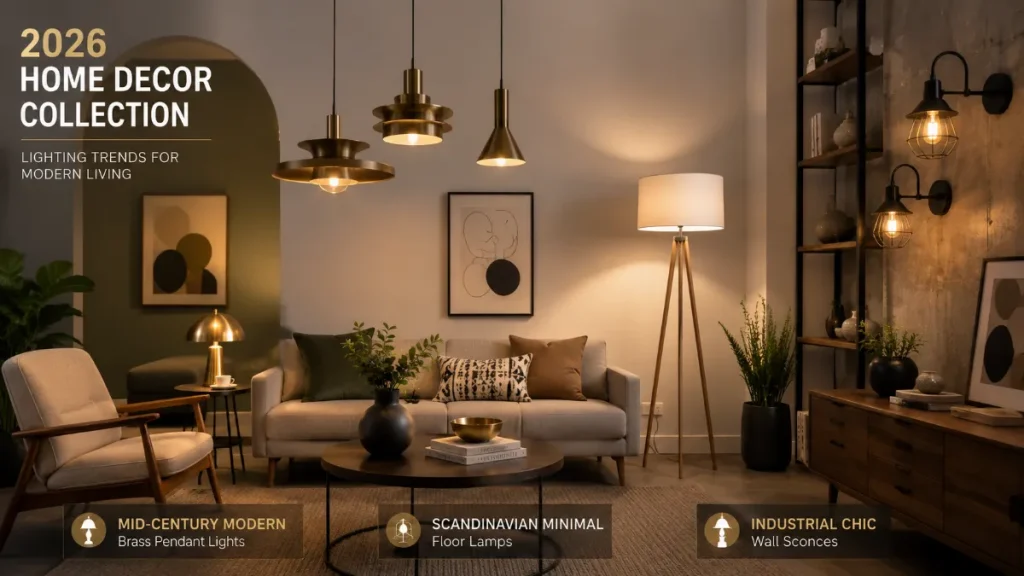
Mid-Century Modern pendants, Scandinavian-style floor lamps, and industrial sconces remain the three dominant style categories for home decoration lights in 2026, with a growing shift toward warm-toned, sculptural, and sustainably made fixtures.
Mid-Century Modern Pendants
Think brass or walnut-finished globe and drum pendants with clean lines. These pair well with warm bulbs and work especially well over dining tables and kitchen islands.
Scandinavian Floor Lamps
Minimalist silhouettes in oak, paper, or linen shades continue to dominate living room corners, reflecting the broader Scandi-Japandi aesthetic that blends Scandinavian simplicity with Japanese warmth.
Industrial Sconces
Matte black or aged brass wall sconces with exposed bulb elements suit lofts, home offices, and hallways, adding texture without taking up floor or table space.
Other 2026 Trends Worth Noting
- Sculptural, art-object table lamps used as standalone décor pieces
- Rattan and woven-shade pendants for a natural, textured look
- Color-changing LED strip lighting used subtly behind furniture rather than as a bold accent
- Fixtures made from recycled metal and FSC-certified wood, reflecting rising demand for sustainable materials
Key Takeaway: Mid-Century pendants, Scandinavian floor lamps, and industrial sconces remain the leading styles in 2026, with sustainability and sculptural, art-like fixtures growing in popularity.
Should You Choose Smart Lighting or Traditional Lighting for Home Decoration?
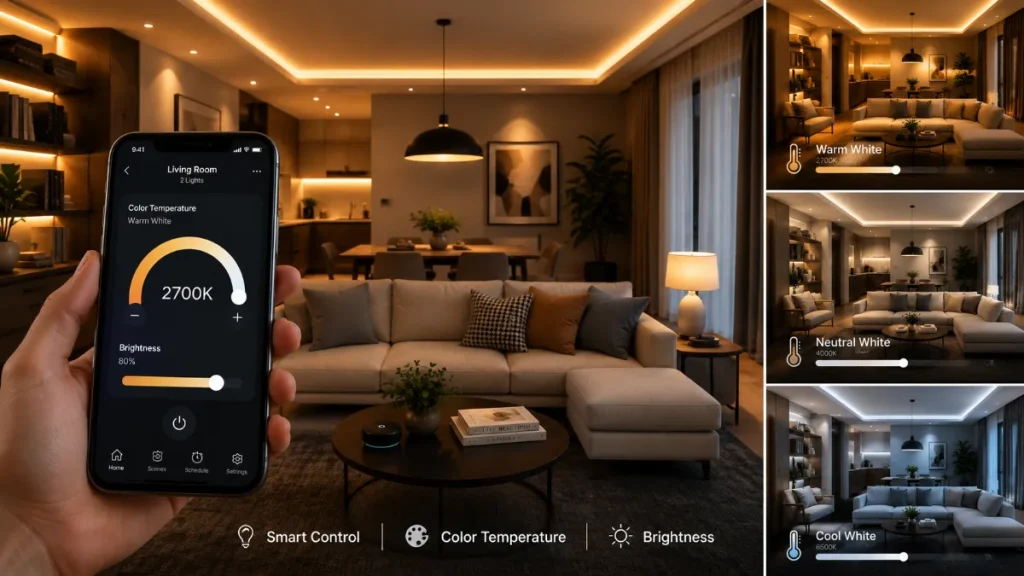
Smart lighting is worth the investment for most homeowners in 2026 because it allows scheduling, dimming, and color control from a phone or voice assistant, but traditional fixtures still make sense for simple, low-traffic spaces where flexibility isn’t a priority.
Smart bulbs and smart plugs now work across most major ecosystems, and many decorative fixtures — pendants, floor lamps, and sconces can be retrofitted with a smart bulb without replacing the fixture itself. This is often the easiest upgrade path for renters or anyone who doesn’t want to rewire a room.
| Factor | Smart Lighting | Traditional Lighting |
|---|---|---|
| Upfront Cost | Higher | Lower |
| Control Options | App, voice, schedules, scenes | Wall switch or dimmer only |
| Energy Monitoring | Often built in | Not available |
| Best For | Living rooms, bedrooms, entryways | Closets, utility rooms, storage areas |
Key Takeaway: Smart lighting offers more flexibility and is easy to add to existing fixtures, making it a practical upgrade for most main living spaces, while traditional lighting remains a reasonable choice for low-use rooms.
How Can You Make Home Decoration Lights More Energy Efficient?
Switching to LED bulbs is the single biggest step toward energy-efficient home decoration lighting, since LEDs use significantly less electricity and last far longer than incandescent or halogen bulbs. Look for the ENERGY STAR label when shopping, as certified fixtures and bulbs are independently verified for efficiency and performance.
- Choose LED bulbs over incandescent or halogen wherever possible
- Use dimmers to reduce energy use during low-light needs
- Install timers or smart schedules so lights aren’t left on unnecessarily
- Group fixtures on the same circuit by function so you’re not lighting an entire room for one task
For homeowners who want to verify efficiency claims before buying, the ENERGY STAR lighting guide is a reliable, independent resource for comparing bulb types and wattage equivalents.
Key Takeaway: LED bulbs, dimmers, and smart scheduling are the most effective ways to cut energy costs from home decoration lighting without sacrificing style or brightness.
Frequently Asked Questions About Home Decoration Lights
What is the best type of light for home decoration?
There is no single “best” type — the most effective home decoration lighting layers ambient, task, and accent sources together rather than relying on one fixture.
How many lights should a living room have?
Most living rooms benefit from at least three separate light sources at different heights: one ceiling or ambient fixture, one floor or table lamp, and one accent light.
What color light is best for a cozy home?
Warm white light in the 2700K to 3000K range creates the cozy, relaxed atmosphere most homeowners want in living rooms and bedrooms.
Are LED string lights good for indoor home decoration?
Yes, LED string lights work well as soft accent or decorative lighting, especially along shelves, headboards, or mantels, but they should not be the sole light source in a room.
Is smart lighting worth it for home decoration?
For most main living areas, yes smart lighting adds scheduling, dimming, and color control that traditional switches can’t match, and it can often be added to existing fixtures with a smart bulb.
How do you layer lighting in a small room?
Use a combination of a flush-mount ceiling fixture, a small table or floor lamp, and one accent light such as a picture light, keeping fixtures compact so they don’t overwhelm the space.
What is the difference between ambient and accent lighting?
Ambient lighting provides general, even illumination for a room, while accent lighting highlights a specific feature, such as artwork, a shelf, or an architectural detail.
Do pendant lights need to match other fixtures in the house?
Not exactly pendant lights should share a consistent finish or style family (such as brass or matte black) with nearby fixtures, but they don’t need to be identical.