Modern home decoration ideas focus on creating uncluttered, functional, and aesthetically pleasing spaces by blending minimalism with warmth and personality. This approach prioritizes clean lines, neutral foundations, and thoughtful accents to transform a house into a serene, contemporary sanctuary that reflects individual style and adapts to modern living needs.
What Defines Modern Home Decoration in 2026?
Modern home decoration is defined by a deliberate simplicity that does not sacrifice comfort or character. It is an evolving style anchored in the principle that every element should serve a purpose, either functional or visual. Unlike rigid historical design movements, modern decor in 2026 is fluid. It borrows the clean lines of mid-century aesthetics but layers in organic textures, smart technology, and sustainable materials. Think about it this way: a room that feels airy and open, uses natural light as a design tool, and allows a single piece of sculptural art or a vibrant rug to command attention. This is not about emptinessit is about intentionality. The color palette remains grounded in neutrals whites, greys, beiges, and warm taupes but these are punctuated with bold accents like deep navy, emerald green, or burnt orange to inject energy. The goal is balance: a calm backdrop that lets curated pieces shine.
Modern decoration also demands a shift in how we view rooms. Open floor plans remain popular, but they are now designed with distinct zones for living, dining, and working, often defined by area rugs or furniture placement rather than walls. Natural materials are non-negotiable wood, stone, linen, and rattan add warmth and tactile interest, preventing the space from feeling sterile. According to experts, the texture plays a silent but crucial role in contemporary design, creating depth against polished finishes. [foyr]
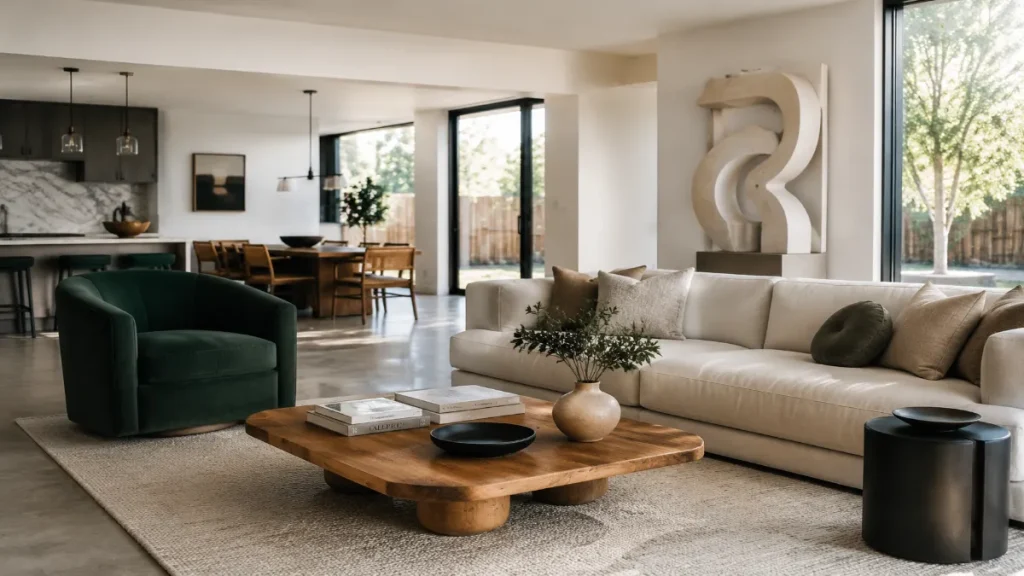
Key Takeaway: Modern home decoration in 2026 is about purposeful simplicity neutral bases, natural textures, and open, light-filled layouts that create a serene yet personalized environment.
How Do You Start Decorating a Home with a Modern Style?
Start by decluttering and establishing a neutral foundation. The single most effective step is to clear surfaces of unnecessary items. Modern style cannot thrive in a cluttered space. Begin with walls and large furniture: choose a soft white, warm grey, or beige as your base color. This creates a calm canvas.
Next, invest in key furniture pieces with clean, simple lines. Look for sofas with low profiles, beds with platform bases, and dining tables with straight edges. These are your anchors. Then, introduce texture. A chunky wool throw, a linen sofa, a jute rug these add the warmth that modern spaces need to feel inviting rather than cold. Finally, add personality through carefully chosen accents: one or two statement light fixtures, a piece of large-scale art, or a single vibrant armchair. Avoid the temptation to fill every corner.
The most important rule is to edit ruthlessly. Every item you bring into a room must earn its place. Ask yourself: does this serve a function or bring me joy? If the answer is no, leave it out. This method aligns with the core principle of modern design: less is more. For further curated inspiration, exploring Interior Design Inspiration can help refine your vision before you make any purchases.
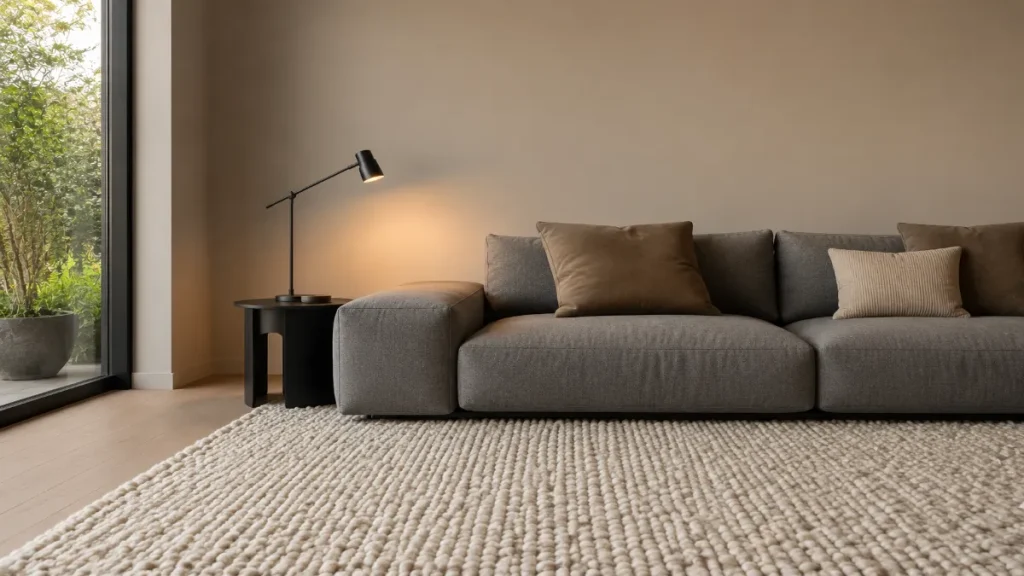
Key Characteristics of Modern Home Decor
Understanding the defining traits of modern decor helps you make informed choices. These characteristics are the building blocks of any successful modern space.
- Clean Lines and Simple Forms: Furniture and architectural details avoid ornate carvings or frills. Straight, sharp lines are common, though curved silhouettes are increasingly used to soften the look.
- Neutral Color Palette: Whites, grays, beiges, and blacks dominate as base colors. These are layered with one or two bold accent colors for impact.
- Natural and Industrial Materials: A mix of wood, stone, leather, and metal creates contrast. Concrete, steel, and glass are used alongside warm woods to balance cool and warm elements.
- Minimalist Approach to Decor: Surfaces are kept clean. Decorative objects are few but meaningful a single vase, a curated stack of books, a striking sculpture.
- Maximized Natural Light: Windows are often left bare or covered with sheer curtains. Light is used to enhance the sense of space and highlight architectural features.
- Functionality: Multi-functional furniture is common. Storage is integrated to maintain the uncluttered look.
These elements work together to create a space that feels both current and timeless. The aesthetic is sophisticated but not fussy. For homeowners looking to invest in high-impact pieces, thinking about quality over quantity is essential. A well-crafted wooden dining table or a designer pendant light can define a room far more effectively than a collection of lesser items.
Modern Living Room Decoration Ideas
The living room is the heart of a modern home, and its design should prioritize flow and connection. Start with a neutral sofa a low-profile, clean-lined design in linen or performance fabric is ideal. Arrange seating to encourage conversation, not to face a wall. A large, textured rug anchors the seating area. Add a coffee table with a sculptural quality, perhaps in light wood or with a stone top.
Statement lighting is critical here. A sculptural floor lamp or a cluster of pendant lights creates a focal point and adds architectural interest. Artwork should be large and bold a single oversized canvas or a gallery wall with a cohesive theme works well. Use throw pillows and a blanket to inject color and texture, but limit them to two or three to avoid visual clutter. Incorporate a few plants for life and warmth. A fiddle-leaf fig or a collection of succulents adds an organic element that softens the clean lines.
Open shelving can work, but keep it spare. Display only your most beautiful objects. Remember, the goal is to create a space that feels expansive and restful.
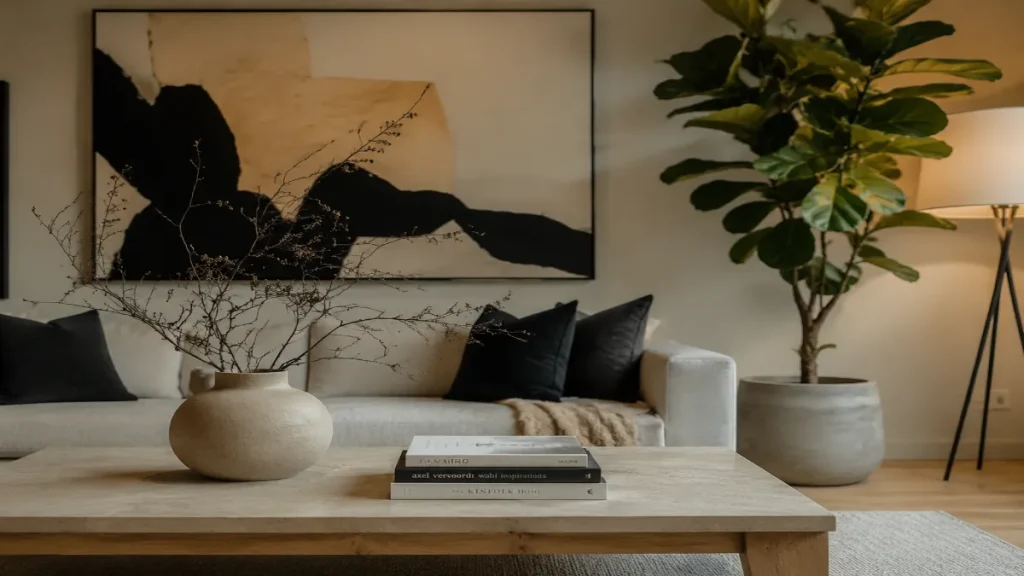
Modern Bedroom Decoration: Creating a Serene Retreat
A modern bedroom is a sanctuary for rest. The bed should be low to the ground a platform or floating frame reduces visual weight. Choose bedding in neutral tones with different textures: linen duvets, cotton sheets, a chunky knit throw. Layering these creates depth without pattern overload.
Walls should be calm. While white paint is classic, you can add a warm accent wall using textured wallpaper, limewash, or simple wood paneling. Keep nightstands simple and functional a small surface and a task lamp are sufficient. Mirrors are excellent tools in modern bedrooms. A large, leaner mirror against a wall or a full-length mirror in a corner reflects light and makes the room feel larger. Lighting should be soft and layered. Overhead lights should be dimmable. Consider wall-mounted reading lamps to free up nightstand space.
Storage is integral. A built-in wardrobe system with handleless doors maintains the sleek look. Keep surfaces clear of clutter a single vase or a small stack of books is enough. For ideas on elevating the overall aesthetic of your home with premium accessories, consider the principles shared in Luxury Home Decor Ideas, which emphasize quality and timeless elegance.
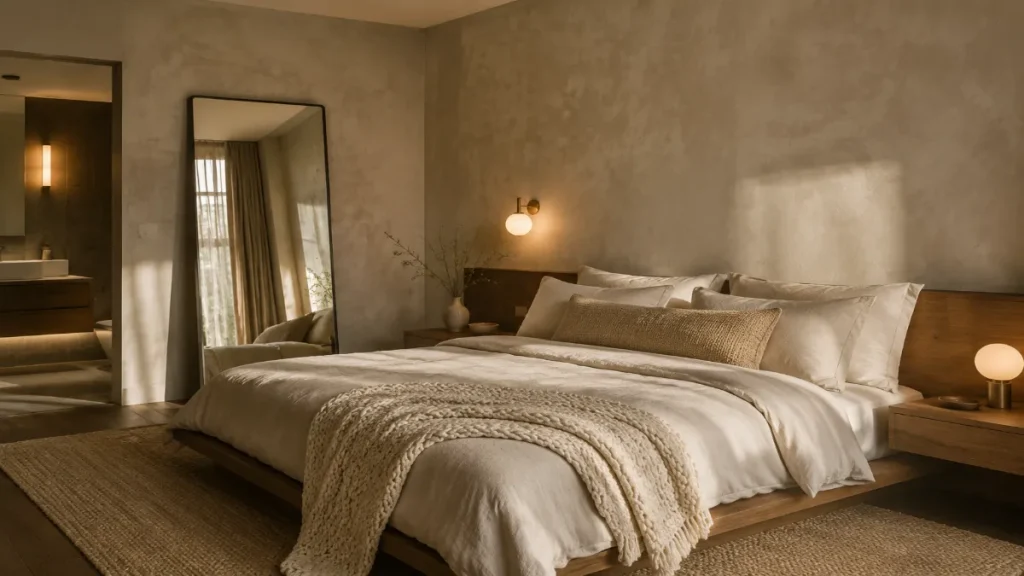
Modern Kitchen and Dining Area Design
Modern kitchens prioritize function and seamless aesthetics. Handleless cabinets and integrated appliances are hallmarks of this style. The island is often the centerpiece, and a waterfall countertop edge where the stone continues down the side adds a dramatic, architectural touch.
Material choice is crucial. Pair light quartz or marble countertops with warm wood or matte black hardware. A tile backsplash can be a statement, but choose a simple geometric or subway pattern in a neutral color. Open shelving is optional; if used, keep items on display to a minimum and stick to matching sets of dishes or glassware.
For the dining area, a simple wooden table with clean legs is classic. Mix dining chairs—two upholstered armchairs at the ends and minimal side chairs for a curated, collected look. A sculptural pendant light should hang directly above the table to define the space. In smaller homes or apartments, an integrated island that extends into a dining table is a highly functional solution that maximizes social workflow and space. [designcafe]
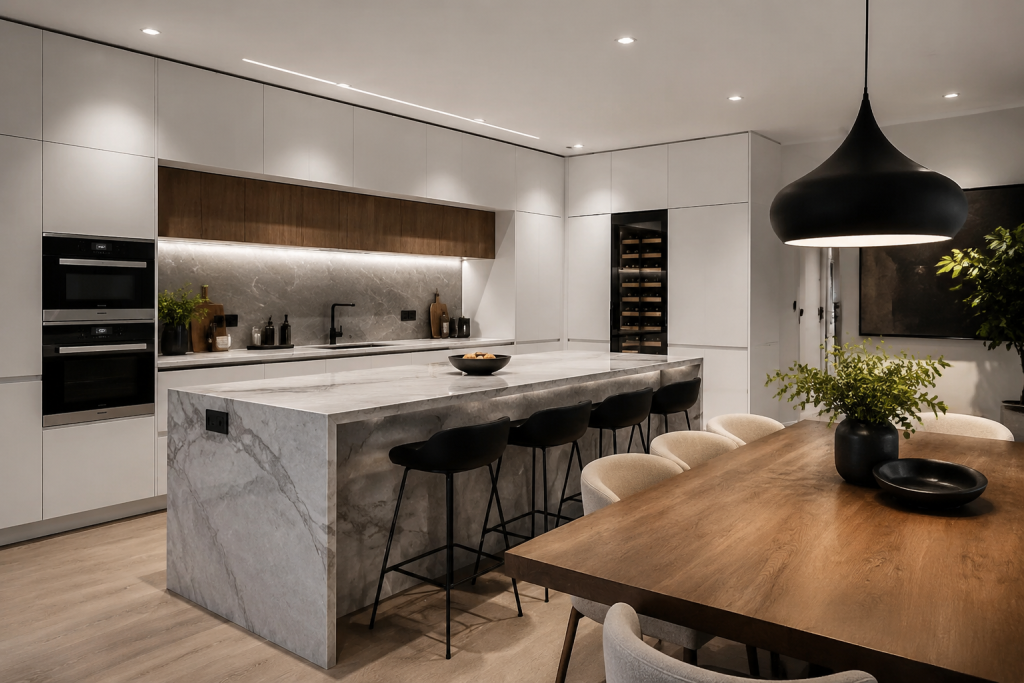
Key Takeaway: Modern kitchens and dining areas rely on handleless cabinetry, waterfall islands, and a careful mix of natural stone and warm wood to create a functional, social hub that feels both sleek and inviting.
What Are the Best Colors for Modern Home Decoration?
The best colors for modern home decoration are built on a foundation of neutrals. These are not bland they are sophisticated backdrops that allow texture and form to take center stage. The primary palette includes shades of white (such as off-white or warm ivory), various grays (from charcoal to soft dove), warm beiges, and taupes. Black is used sparingly as an accent color, often in furniture frames, hardware, or light fixtures, to add contrast and grounding.
Accent colors are applied with restraint. The most effective modern spaces use a single bold color in strategic doses. Think of a deep emerald green armchair, a navy blue kitchen island, or a set of burnt orange throw pillows. These pops of color sometimes called saturated accents provide visual excitement without breaking the calm. Cool tones like muted blues and soft greens are also popular, particularly in bedrooms and bathrooms, for their calming effect. Warm woods, such as walnut or oak, essentially act as a color element, adding natural warmth to a neutral scheme.
A common mistake is using too many colors. Modern decor thrives on a limited palette. Stick to two main neutrals and one accent color to maintain cohesion. As experts note, a neutral palette is intrinsic to minimalist design, allowing for the combination of different textures to enhance sophistication. [foyr]
How to Choose Lighting for a Modern Home
Lighting in a modern home is not an afterthought it is a defining design element. The key is to use layered lighting, which combines ambient, task, and accent lighting to control the mood and function of a space.
- Ambient Lighting (General): This is the base layer. Recessed ceiling lights or flush mounts provide overall illumination. Dim them to lower the light level for evenings.
- Task Lighting (Function): This is focused light for activities like reading or cooking. Pendants over a kitchen island, a desk lamp in an office, or a reading light by the bed are essential.
- Accent Lighting (Drama): This highlights architectural features or artwork. Track lighting on a gallery wall or a small spotlight on a sculpture adds depth.
Statement lighting fixtures are also critical. A sculptural chandelier in the entryway, a geometric pendant over the dining table, or an oversized floor lamp in the living room acts as functional art. Choose fixtures with clean forms spheres, cylinders, or linear designs. Matte black, brass, or brushed nickel finishes work best with modern interiors. LEDs are the standard for energy efficiency. The color temperature of light matters too; warm white (2700K-3000K) is best for living rooms and bedrooms, while cooler white (3500K-4000K) works well in kitchens and bathrooms.
What Materials and Textures Are Essential?
Texture is what prevents a modern space from looking cold or sterile. The modern home relies on a deliberate contrast of materials. Combine smooth, hard surfaces with rough, natural ones to create tactile interest.
- Wood: Essential for warmth. Use it for flooring, furniture, or accent walls. Oak and walnut are classic choices.
- Stone and Concrete: Add a rugged, industrial element. Marble or quartz on countertops, concrete floors, or stone fireplace surrounds create a striking contrast with wood.
- Metal: Brings a sleek, reflective quality. Use it in lamp bases, chair legs, cabinet hardware, and railings. Brass, copper, and matte black are on trend.
- Glass and Mirrors: Enhance light and space. Glass splashbacks in kitchens, large window panes, and floor-to-ceiling mirrors are key.
- Fabric and Fibers: Linen, wool, cotton, jute, and velvet add softness. Use them in upholstery, curtains, rugs, and throws.
The secret to successful decoration is mixing these materials in the same room. A velvet sofa on a jute rug, next to a concrete coffee table, under a brass light—this combination of textures creates dynamic tension.
Modern Home Decoration for Small Spaces
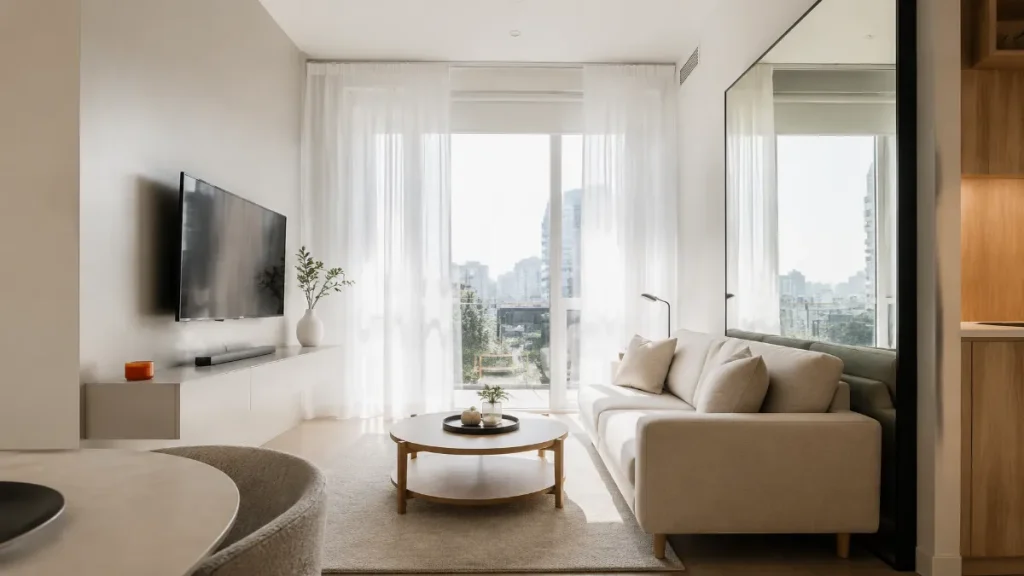
Modern design is exceptionally well-suited for small spaces because of its emphasis on simplicity and function. The first rule is to maximize vertical space. Use tall, floor-to-ceiling curtains to make windows look larger. Install shelving high on walls to draw the eye upward. Choose furniture that serves multiple purposes: a sofa bed for guests, an ottoman with storage, a dining table that folds or extends.
Color is critical. A light, neutral palette on walls and large furniture makes a room feel bigger. Use color accents sparingly. Mirrors are the most powerful tool for expanding a small room. Place a large mirror opposite a window to double the light and view. Keep the floor as clear as possible. Use wall-mounted nightstands, floating vanities, and cantilevered desks. Clutter is the enemy of a small modern space. Every item must have a designated home. Use closed storage baskets, cabinets, drawers to hide away daily necessities. Open shelving can make a small room look messy, so use it cautiously.
Lighting should be layered to avoid dark corners. A well-lit room always feels larger. Finally, scale furniture to the room. A single, generously sized sofa is better than multiple small chairs that make the space feel choppy.
How to Incorporate Technology and Sustainability
Modern home decoration in 2026 seamlessly integrates smart technology without compromising aesthetics. The key is to make technology invisible. Smart lighting systems that can be controlled by voice or app, automated blinds, and wireless charging furniture are features that enhance convenience. Choose tech devices that have a minimal design—thermostats with clean screens, speakers that blend into the decor, and hidden wiring.
Sustainability is another pillar of modern decor. This does not mean sacrificing style. It means choosing materials and products that are durable and have a lower environmental impact. Look for furniture made from reclaimed wood, organic cotton textiles, and paints with low volatile organic compounds (VOCs). Investing in high-quality, timeless pieces is inherently sustainable—it reduces the need for frequent replacement. Incorporating live plants is also a sustainable choice that improves air quality and adds natural beauty. The modern home is not just about looking good; it is about feeling good and being responsible. This approach aligns with the growing trend of designing spaces that are both beautiful and conscious of their footprint. [nerolac]
Key Takeaway: The integration of smart technology and sustainable materials is no longer optional in modern decor; it is a defining feature that adds convenience, efficiency, and environmental consciousness to a stylish home.
What Makes Modern Decor Different from Contemporary or Minimalist?
These terms are often used interchangeably, but they represent distinct concepts. Understanding the difference helps you choose the right direction for your home.
| Style | Core Philosophy | Key Traits |
|---|---|---|
| Modern Decor | Rooted in early to mid-20th century design (Bauhaus, mid-century). Form follows function. | Clean lines, minimal ornamentation, neutral colors, emphasis on function and industrial materials. |
| Contemporary Decor | Constantly changing. Reflects the style of the present moment. | Can borrow from many styles. Often features curved furniture, mixed metals, and bold, current trends. |
| Minimalist Decor | Extreme simplicity. The deliberate removal of all non-essential items (“less is more”). | Very sparse. Monochromatic palette. No decorative objects. Focus on negative space and pure function. |
While modern decor is a specific historical style, contemporary is ever-evolving. Minimalism is an intensity level within modern or contemporary design. Many people who say they want a “modern” look are actually after a contemporary style—the clean, current, uncluttered aesthetic that is popular today. However, the term “modern home decoration ideas” has come to encompass the broader, current trend of simple, functional, and stylish living.
Curated Accessories and Art: The Finishing Touch
The final layer in any modern room is the accessories. These should be limited in number but carefully chosen. Art is a primary tool. One large piece of abstract or photographic art makes a stronger statement than a gallery wall of small prints. If you prefer a collection, keep the frames consistent and the spacing even to avoid chaos.
Mirrors function as art and are highly functional. A large, leaner mirror propped against a wall adds a casual, modern feel. Decorative objects vases, bowls, books, candles should be grouped in odd numbers (3 or 5) on a coffee table or shelf. A single, beautiful vase with a few branches can be more impactful than an arrangement of flowers.
Textiles are the final layer. A throw blanket draped over a sofa, a set of pillows on a bed. The key is to limit the color palette. Pick one accent color and repeat it in a few accessories a pillow and a vase in the same hue, for example to create a cohesive visual line. Avoid themed decorations. Modern decor is about timeless style, not seasonal trends.
Common Mistakes to Avoid in Modern Decoration
Even with the best intentions, it is easy to stray from the modern aesthetic. Here are the most common pitfalls to avoid.
- Thinking modern means cold: This is a persistent myth. Texture, warm woods, and soft textiles are essential to create a welcoming atmosphere. Without them, a room becomes sterile.
- Buying a whole set of furniture: Matching sets look dated. Modern decor is about curated, individual pieces that have a relationship but are not identical.
- Over-accessorizing: Even small decorations can create clutter. Edit down your items. One beautiful object is better than ten mediocre ones.
- Ignoring scale: Furniture that is too small for a room looks lost, while oversized pieces overwhelm. Measure your space and plan the layout before buying.
- Using poor lighting: Relying on a single overhead light source creates harsh shadows. Modern rooms need multiple light sources placed strategically.
- Being afraid of color: While neutrals form the base, a complete room without any accent color can feel dull. A single pop of color adds life and energy.
Acknowledging these mistakes helps you make confident design decisions. The goal is a room that feels intentional, not decorated by a checklist.
Frequently Asked Questions (FAQ)
What is modern home decoration?
Modern home decoration is a design style characterized by clean lines, a neutral color palette, functional furniture, and a focus on simplicity. It emphasizes open spaces, natural light, and the use of natural materials like wood and stone. Unlike traditional styles, it avoids excessive ornamentation, aiming for a sleek, uncluttered look that feels both stylish and comfortable. It is rooted in early 20th-century design principles but has evolved to include current trends.
How is modern decor different from contemporary decor?
Modern decor refers to a specific, historical design aesthetic from the early to mid-20th century, including movements like mid-century modern. Contemporary decor, however, represents the style of the present day and is always evolving. While modern decor is fixed, contemporary decor can borrow from any style, including modern, but reflects current tastes and trends. In casual use, “modern” often implies a clean, current look that is actually contemporary.
What colors are used in modern home decor?
Modern home decor relies on a neutral color palette as its foundation whites, grays, beiges, and blacks. These colors create a calm, sophisticated backdrop. Accent colors are used sparingly to add personality and visual interest. Popular accent colors include deep emerald green, navy blue, burnt orange, and mustard yellow. The key is to use one or two accent colors strategically, not to fill the room with many different hues. This balance keeps the space feeling cohesive and intentional.
How can I make my home look modern on a budget?
You can modernize your home without a major renovation. Start by decluttering remove unnecessary items from surfaces and floors. Paint walls in a fresh, neutral color like soft white or light gray. Swap out lighting fixtures for modern, clean-lined pendants or lamps. Add texture with a jute rug, a few linen pillows, and a throw blanket. Incorporate a few plants. Update hardware on cabinets and drawers with sleek, modern handles. These simple, low-cost changes can drastically update the look of a space.
What kind of furniture works best in a modern home?
Furniture with clean, straight lines and simple forms works best. Look for sofas and beds with low profiles and legs that create a sense of airiness. Choose pieces made from natural materials like wood, leather, and metal. Avoid ornate carvings or heavy, overstuffed designs. Functionality is key furniture with built-in storage, like a platform bed with drawers or an ottoman that opens, is highly practical. The focus should be on quality over quantity; a few well-made pieces are more effective than many cheap items.
How do I choose lighting for a modern living room?
Use layered lighting. Combine an ambient source (like recessed ceiling lights on a dimmer), task lighting (a floor lamp for reading), and accent lighting (a spot on artwork). A statement pendant or a sculptural floor lamp serves as a focal point. Choose fixtures with simple, geometric shapes in finishes like matte black, brass, or nickel. Warm-colored bulbs (2700K-3000K) create a cozy atmosphere. Avoid relying on a single overhead light, as this creates harsh shadows and an uninviting feel.
Is modern decor suitable for small apartments?
Yes, modern decor is excellent for small apartments. Its emphasis on simplicity and clean lines helps a small space feel larger and less cluttered. Light neutral colors on walls and furniture maximize the sense of space. Multi-functional furniture, like a sofa bed or a storage ottoman, is a core principle of modern design and is ideal for small homes. Mirrors are used strategically to reflect light and create depth, while keeping furniture low to the ground maintains open sightlines across the floor. Clutter is minimized, which is crucial in a small home.
What are the key elements of a modern bedroom?
A modern bedroom centers on a low-profile bed with simple, neutral bedding layered with different textures (linen, cotton, wool). The color palette is calm and neutral. Lighting is soft and layered, with dimmable overhead lights and bedside task lamps. Storage is integrated or built-in to keep surfaces clean and clutter-free. The room is free of excessive decor. One or two focal points, like a large piece of art or a beautiful mirror, are used instead of many small objects.
How do I add texture to a modern room?
Texture is essential to prevent a modern room from feeling cold. Achieve it by mixing materials. Pair a smooth, leather sofa with a chunky knit throw and a jute rug. Use wood furniture against a concrete or stone wall. Add linen curtains and velvet pillows. Incorporate a woven basket or a ceramic vase. The contrast between hard and soft, smooth and rough, shiny and matte creates visual interest and warmth. Even a neutral room becomes dynamic and inviting through careful textural layering.
Can modern decor be cozy?
Absolutely. Modern decor often gets a reputation for being cold, but this is not an inherent quality. Coziness in a modern space is achieved through texture, warm lighting, and natural materials. Layering soft textiles like wool throws, linen bedding, and plush rugs adds warmth. Warm wood tones and live plants prevent sterility. Lighting that is soft, warm, and layered creates an inviting glow. The key is to balance the clean, simple lines of the furniture with these humanizing, tactile elements. A modern room can be both sleek and deeply comforting.


