Key Takeaway: DIY home decor tips empower you to transform any living space on a budget using strategic design rules, upcycled materials, and personalized touches that mirror high-end professional results without the premium price tag.
DIY home decor tips are practical, budget-friendly strategies that allow anyone to refresh their living spaces using foundational design principles and hands-on projects. From mastering color formulas to upcycling everyday objects, these approaches help you achieve a polished, professional look without hiring an interior designer. Whether you are a renter working with temporary solutions or a homeowner planning a weekend makeover, understanding these core techniques saves money while building a home that truly reflects your personality.
What is the 3-4-5 Rule in DIY Home Decor?
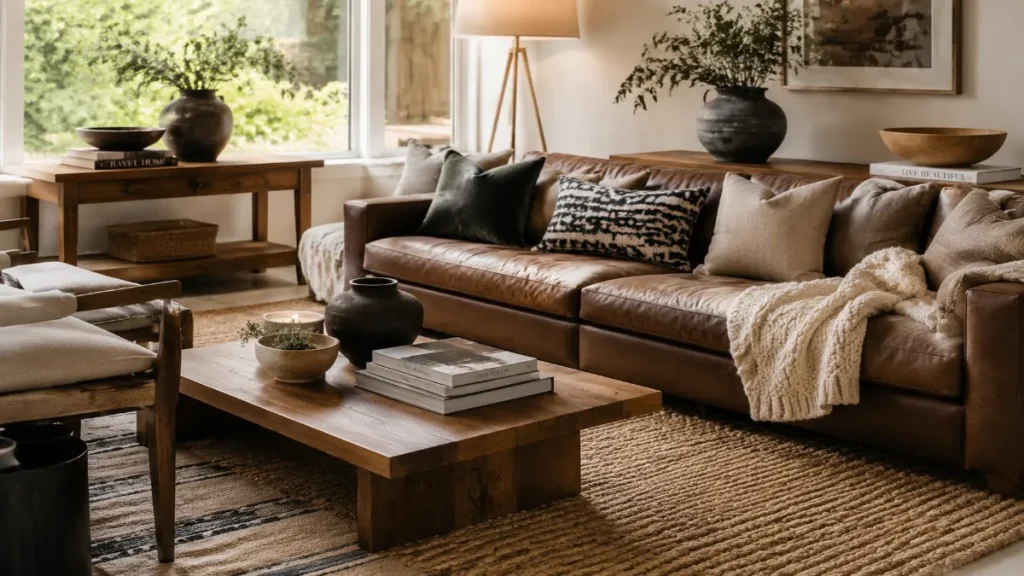
The 3-4-5 rule is a professional design framework that prevents visual monotony by ensuring every room mixes three distinct patterns, four style influences, and five physical textures. Interior designers use this formula to create spaces that feel layered and intentional rather than flat or chaotic. For example, a living room might combine a geometric throw pillow (pattern one), a floral curtain (pattern two), and a striped rug (pattern three). The four style influences could blend modern furniture, rustic wood accents, bohemian textiles, and industrial lighting. The five textures might include smooth leather, rough jute, soft velvet, cool metal, and warm wool. Applying this rule gives any DIY project a cohesive, curated feel [Source: istmyhomeandsave].
How Do You Apply the 70/30 Rule to Home Decor?
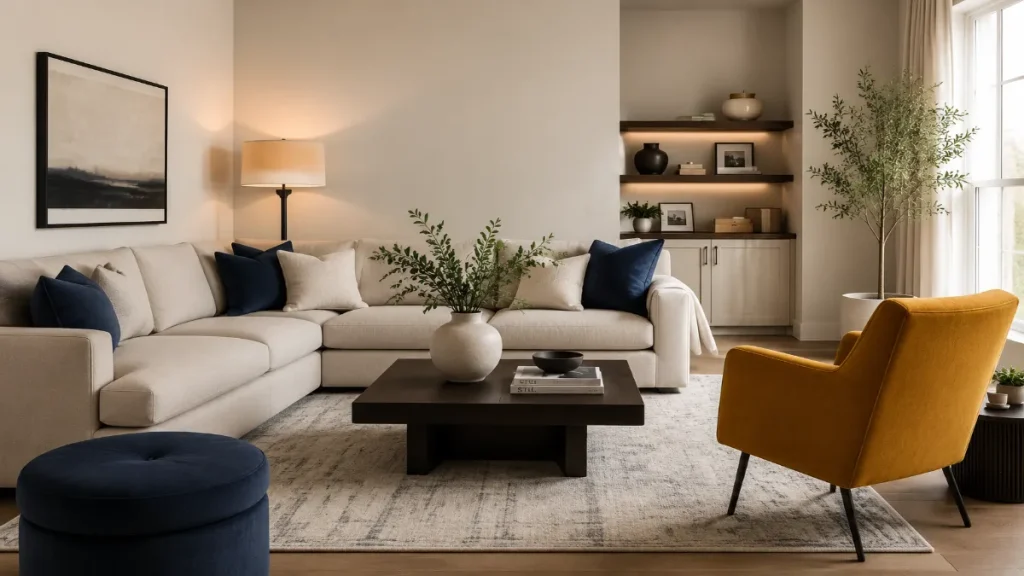
The 70/30 rule states that 70% of a room should feature a dominant style or color while the remaining 30% introduces contrasting accents for visual interest. This principle creates balance without overwhelming the space. In practice, if you choose a neutral beige sofa (70%), add bold navy throw pillows and a mustard yellow armchair (30%). For color, commit 70% of wall space to a soft gray and reserve 30% for an accent wall in deep teal. This ratio works because the human eye naturally seeks both harmony and contrast. Beginners often over-decorate by filling a room with too many competing elements. The 70/30 rule solves that problem instantly.
Key Takeaway: The 70/30 rule and 3-4-5 strategy are foundational tools that prevent design chaos. Use them together to create rooms that feel balanced, layered, and professionally styled.
What Are the Best Color Strategies for DIY Decor?
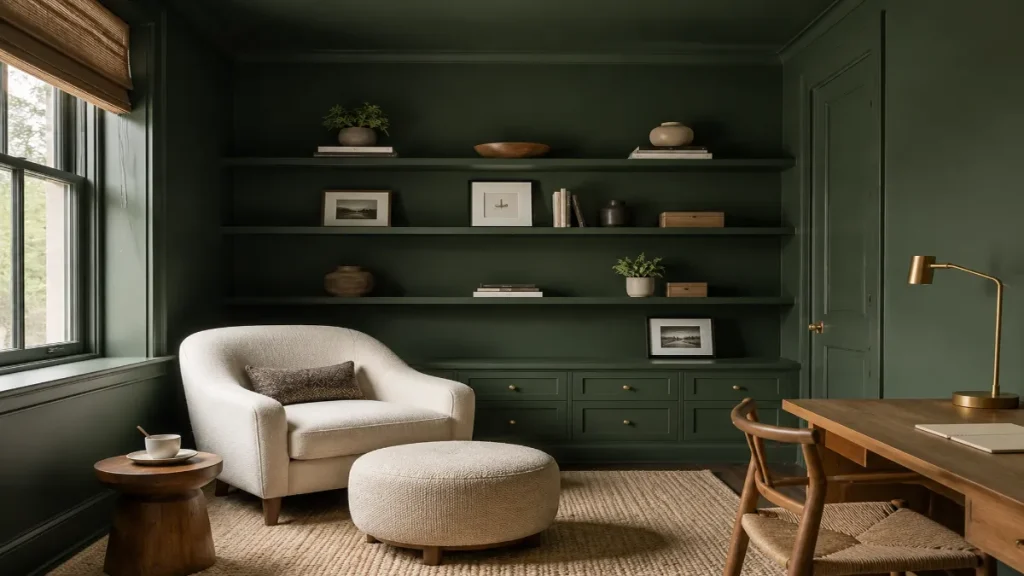
The 80/20 color palette is one of the most effective strategies for DIY decorators. Commit 80% of a room’s surface area to a neutral foundation and use the remaining 20% for bold accent colors. Neutral surfaces include walls, flooring, large furniture pieces, and window treatments. The 20% accent appears in accessories like throw pillows, artwork, vases, and small decor items. Another powerful technique is color-drenching, where you paint an entire room — walls, ceiling, trim, and even shelving — in one solid matte shade. This gives old furniture the appearance of expensive custom built-ins. Color-drenching works especially well in small spaces because it eliminates visual breaks that make rooms feel chopped up. For renters, peel-and-stick wallpaper offers a temporary way to introduce color without damaging walls.
How to Choose Accent Colors That Work
Select accent colors by looking at the undertones in your neutrals. A beige with warm yellow undertones pairs naturally with terracotta, olive green, or rust. A cool gray calls for navy, emerald, or blush pink. The simplest method is to use the color wheel: complementary colors (opposites on the wheel) create high contrast, while analogous colors (neighbors on the wheel) produce a more harmonious, subtle effect. For beginners, sticking to one accent color per room reduces the risk of clashing. You can always add a second accent later as you build confidence.
How Can You Upcycle Everyday Items Into Decor?
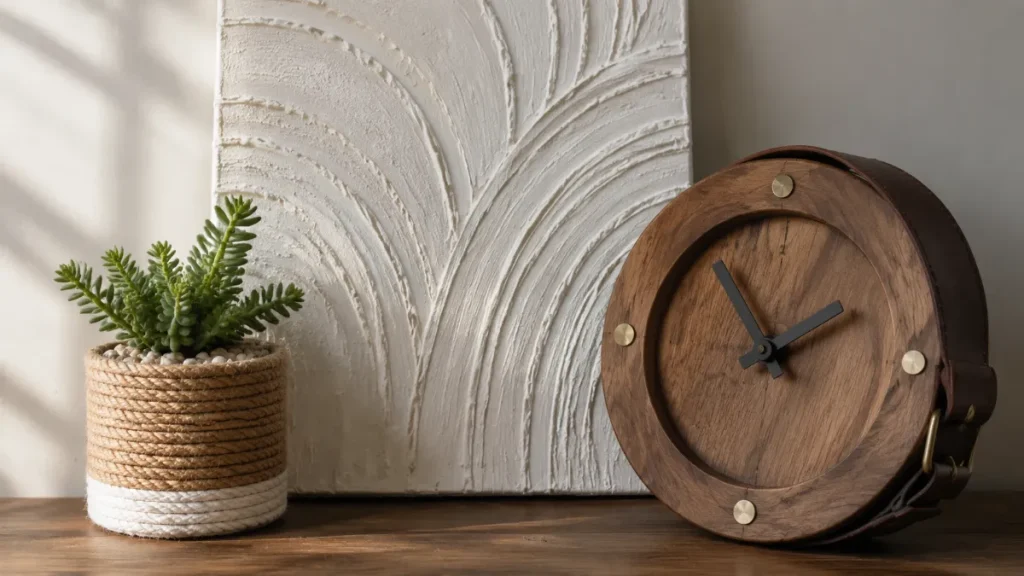
Upcycling transforms discarded or inexpensive objects into stylish decor pieces with minimal effort and cost. One popular project is custom texture wall art: take an inexpensive canvas panel, apply joint compound with a notched trowel to create abstract ridges, and coat it with monochromatic paint for a modern gallery look. Another idea is the upcycled leather and wood clock — turn a simple round wooden serving platter and an old leather belt into a rustic-chic hanging wall clock. Fabric scrap planters give plain plastic or terracotta pots a complete texture makeover by wrapping them in homemade rope twisted from leftover fabric scraps. Natural found objects like pinecones, driftwood, or structural branches can be styled inside glass hurricanes and floor vases, replacing expensive retail fillers at zero cost. These projects require no specialized skills and often use materials already in your home [Source: The Spruce].
Thrift Store Furniture Transformations
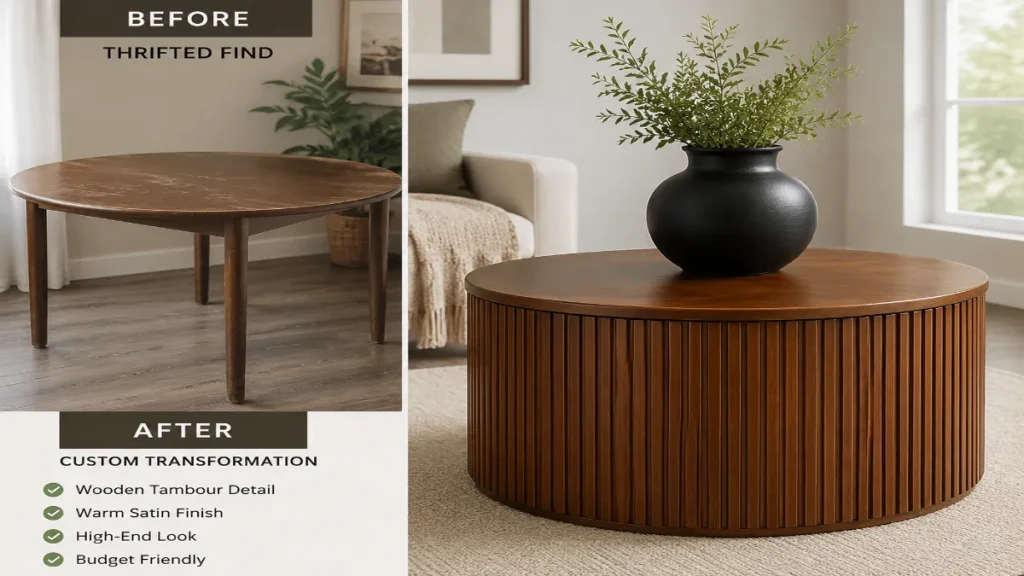
Thrift stores and flea markets are goldmines for DIY decor. A basic round thrift store table can be wrapped in flexible wooden tambour or wooden dowels to mimic premium mid-century modern furniture. Old dressers convert easily into bathroom vanities with a sink insert and new faucet — a project that costs a fraction of a new vanity. The key is to look for solid wood pieces with good bones. Particle board furniture is harder to refinish, so check the construction before buying. A fresh coat of paint, new hardware, and sometimes a simple re-staining can make a thrifted piece look brand new. Many DIYers report spending under $50 on a complete furniture transformation.
Key Takeaway: Upcycling and thrifting are the most cost-effective ways to create unique decor. Focus on solid materials and good structural bones, then apply paint, texture, or hardware upgrades for a custom look.
How Do You Upgrade Furniture and Built-Ins on a Budget?
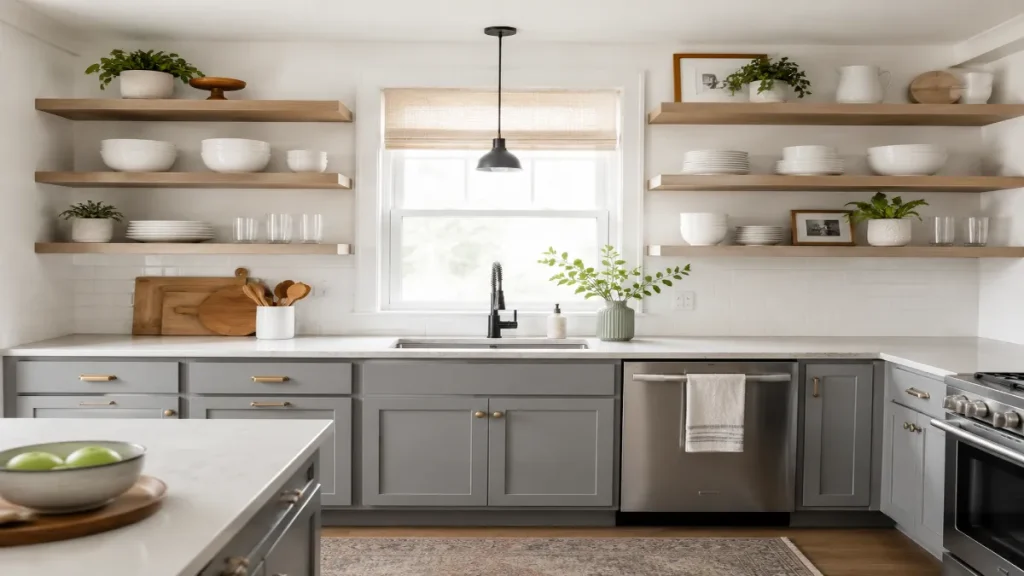
Color-drenched shelving transforms an old, basic bookshelf into a showpiece. Paint the entire unit — including the backing wall behind it — in one solid matte shade. This visual trick makes the shelf appear like an expensive custom built-in. Cabinet facelifts offer another quick win: remove the top upper cabinet doors entirely and style the newly exposed shelves with your prettiest everyday dishes. This instantly opens up a cramped kitchen or bathroom layout without spending a dime on new cabinetry. For a fluted coffee table, wrap a basic round thrift store table in flexible wooden tambour or vertical wooden dowels. This mimics premium mid-century modern furniture at a fraction of the cost. These upgrades require basic tools like a paintbrush, screwdriver, and measuring tape — no power tools necessary.
What Is a Semi-Custom Furniture Hack?
Painting new, budget-friendly furniture pieces is a semi-custom approach that saves money while delivering a tailored look. An inexpensive IKEA desk or vanity can be painted to match your feature wall, creating a cohesive, designer effect. This technique works because paint unifies disparate pieces into a collected, intentional set. Many DIYers worry about painting new furniture, but with proper primer and quality paint, the finish holds up for years — even in high-use areas like bathrooms and kids’ rooms. The cost of a quart of paint is significantly less than the price difference between budget furniture and its custom-built equivalent.
Key Takeaway: Semi-custom furniture painting bridges the gap between budget and bespoke. It allows you to achieve a high-end look with off-the-shelf pieces, saving hundreds of dollars per room.
How Can You Refresh Textiles and Lighting With DIY Methods?
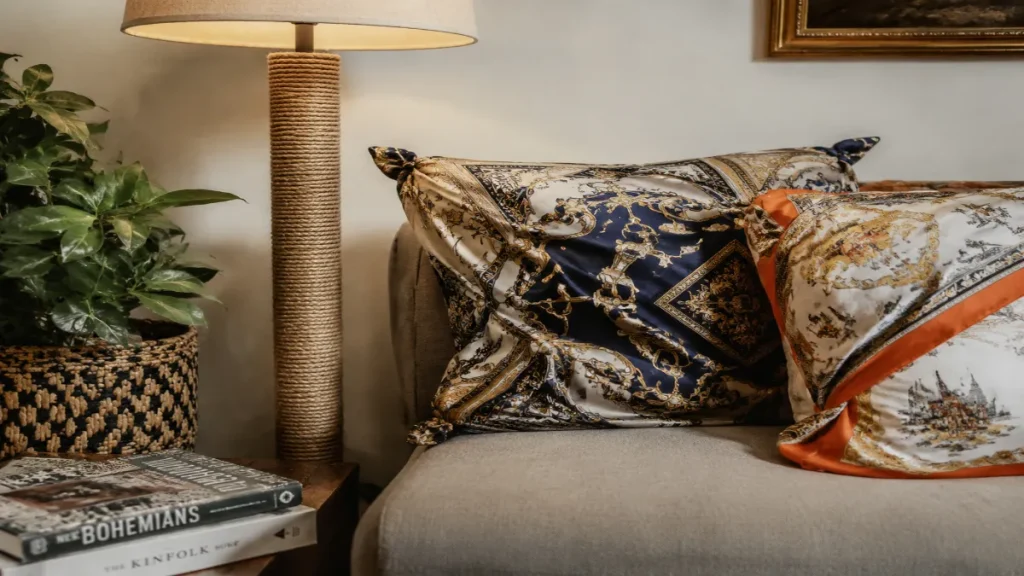
Sustainable cushion covers avoid the expense of buying new pillows altogether. Simply drape and tuck deadstock fabrics, vintage scarves, or durable textiles over your existing insert pillows. No sewing required — just fold and tuck for a custom-fit look that can be changed seasonally. Rope-wrapped fixtures conceal ugly, basic metallic lighting cords or standard floor lamp poles by wrapping them tightly in natural jute or sisal rope. This gives an instant coastal, bohemian, or farmhouse feel depending on the rope color and texture. Another quick lighting upgrade is to replace old lampshades with new ones or even craft your own using paper mache techniques. A paper mache pendant light made from recycled newspaper costs nearly nothing but creates a sculptural focal point. These textile and lighting projects take less than an hour each and dramatically shift a room’s atmosphere [Source: Lemon Thistle].
What Are the Best Weekend DIY Decor Projects?
Several DIY decor projects can be completed in a single weekend, making them ideal for busy homeowners. A painted graphic pattern on a fence instantly boosts curb appeal using painter’s tape and exterior paint. A rope hanging shelf requires only lumber, rope, and basic drilling skills, providing attractive storage for plants or books. A decoupaged chair uses maps or decorative paper with Mod Podge to give old furniture a worldly update. A monogrammed doormat involves a stencil, paint, and a plain coir mat for a personalized entryway welcome. Fabric-covered backsplashes for renters use fabric and clear acrylic sheeting to create a removable, customized kitchen upgrade. For outdoor spaces, a freestanding planter box that doubles as an address plaque adds charm and function to a front porch. All of these projects cost under $50 and require only basic tools.
How Do You Create a Cohesive Look With Mismatched Furniture?
Painting all your mismatched furniture pieces a single neutral color instantly upgrades the space and creates visual calm. This technique works especially well in kids’ rooms, playrooms, and rental spaces where furniture has been collected from different sources over time. Choose a neutral like warm gray, soft beige, or classic white. After painting, add consistent hardware — like brass or black pulls — across all pieces for additional unity. If you prefer not to paint, grouping mismatched items by wood tone (warm vs. cool) or by era (mid-century, farmhouse, traditional) can achieve a similar collected-but-cohesive effect. Layering a large rug under the furniture group physically ties the pieces together on the floor, creating a defined zone even in an open-concept layout.
What Is the Most Cost-Effective Way to Add Storage Through DIY?
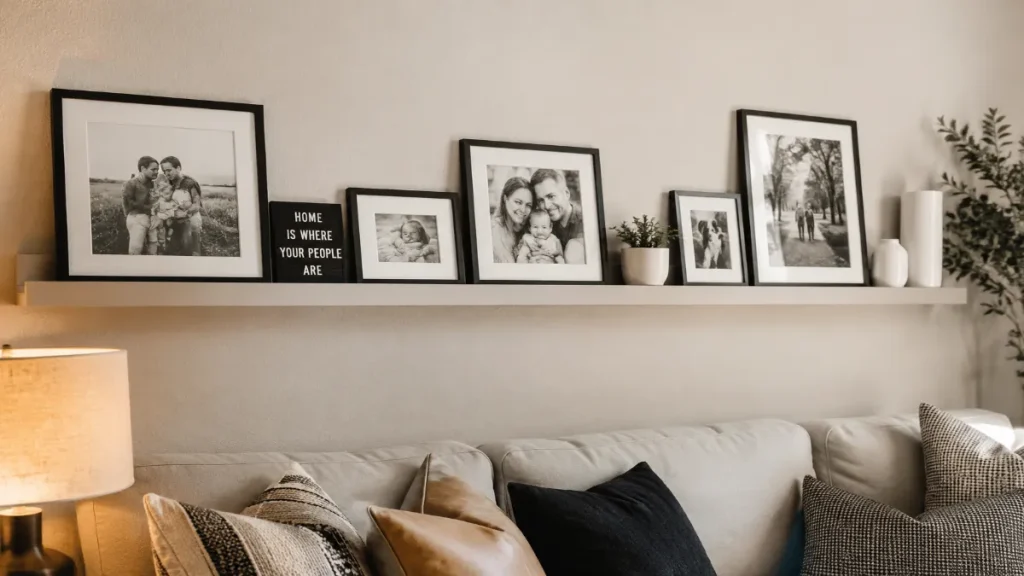
Built-in shelving made from MDF or pine lumber offers the most storage per dollar spent on any DIY project. By building shelves that fit exactly into awkward alcoves, corners, or narrow hallways, you maximize every square inch of floor space. A wall-to-wall desk built from a live-edge board provides workspace and storage in a room where standard furniture would not fit. For entryways, adding beadboard and hooks transforms a narrow hallway into a functional mudroom. Even simpler: install picture ledges (shallow floating shelves) above existing furniture to display photos and small decor without sacrificing floor space. These built-in solutions cost a fraction of custom cabinetry while delivering the same custom-fit result.
Key Takeaway: Custom-built shelving and storage solutions made from affordable lumber provide the highest return on investment for DIY decorators. They solve spatial challenges while adding significant aesthetic value.
How to Select DIY Projects Based on Your Skill Level
Beginners should start with no-sew projects like fabric-wrapped pillows, painted furniture, and rope-wrapped lamp bases. These require only glue, paint, and basic hand tools. Intermediate DIYers can tackle open shelving installation, simple furniture builds like a coffee table or bench, and decoupage projects. Advanced makers can handle full-room transformations including board-and-batten wall treatments, custom built-in shelving, and upholstered headboards. The most important skill to develop is proper measuring and planning. A well-measured project always turns out better than one rushed through without a plan. Many mistakes come from skipping the prep phase — sanding, priming, and cleaning surfaces properly before applying paint or adhesive. Take time on prep, and the finished result will look professional.
What Are Common Mistakes to Avoid in DIY Home Decor?
Over-decorating with too many competing patterns, colors, or textures is the most frequent mistake beginners make. Stick to the 3-4-5 rule and 70/30 principle until you develop an eye for balance. Another error is choosing projects that exceed your skill level, leading to frustration and unfinished work. Start small and build confidence. Ignoring scale is another pitfall — a tiny piece of art on a large wall looks lost, while an oversized sofa in a small room overwhelms the space. Measure everything, including doorways (to ensure furniture fits through), before starting. Finally, rushing through prep work like sanding, cleaning, and priming leads to paint that chips or adhesive that fails. Good preparation is the difference between a project that lasts years and one that needs redoing in months.
Frequently Asked Questions (FAQ)
What are the best DIY home decor tips for beginners?
Start with no-sew projects like fabric-wrapped pillows, painted furniture, and rope-wrapped lamp bases. Use the 70/30 color rule: 70% neutral base, 30% accent colors. Thrift store furniture with good bones is your best friend a coat of paint and new hardware transforms almost any piece. Focus on one room at a time to avoid feeling overwhelmed. Measure everything twice before cutting or buying materials.
How can I decorate my home on a tight budget?
Upcycling everyday items is the most budget-friendly approach. Turn old leather belts into wall clocks, fabric scraps into planters, and found objects like pinecones and driftwood into vase fillers. Thrift store furniture transformations cost under $50. Paint is the cheapest way to transform a room — a single gallon can refresh walls, furniture, and accessories. Free printables framed from your home printer make instant, affordable art.
What is the 3-4-5 rule in interior design?
The 3-4-5 rule says a well-designed room should mix three distinct patterns, four style influences, and five physical textures. This prevents visual monotony and creates depth. For example, combine a striped rug (pattern), floral curtains (pattern), and geometric pillows (pattern) with modern, rustic, bohemian, and industrial style influences. Add textures like wood, metal, fabric, glass, and plants for a layered, professional look.
How do I choose colors for DIY home decor?
Use the 80/20 color palette: 80% of room surfaces in neutral tones (beige, gray, white) and 20% in bold accent colors (navy, emerald, terracotta). Look at the undertones in your neutrals — warm neutrals pair with warm accents like rust or olive, while cool neutrals pair with jewel tones. Color-drenching (painting everything in one shade) is a trendy, foolproof technique for small spaces.
What are easy weekend DIY decor projects?
Quick weekend projects include: painting a graphic pattern on a fence, building a rope hanging shelf, decoupaging a chair with maps, monogramming a doormat, creating a fabric-covered backsplash for renters, and making a paper mache pendant light. Each project costs under $50 and requires only basic tools. Most take 4-6 hours to complete. These projects offer immediate visual impact without requiring a major time commitment.
How can I make old furniture look new?
Paint is the most effective transformation tool. Clean the piece thoroughly, sand lightly, apply primer, then two coats of quality paint. Replace old hardware with modern knobs or pulls in brass, black, or matte finishes. For wood pieces, sanding and re-staining can reveal beautiful natural grain. Adding new upholstery fabric to chairs and benches also refreshes their look. These techniques cost 80% less than buying new furniture.
What is color-drenching in DIY decor?
Color-drenching means painting an entire room walls, ceiling, trim, doors, and even built-in shelving in one solid matte shade. This eliminates visual breaks and makes small spaces feel larger and more cohesive. Dark colors like deep green, navy, or charcoal work especially well for this technique because they create a cozy, enveloping effect. Color-drenching also makes old furniture look like expensive custom millwork.
How do I upcycle thrift store finds for home decor?
Look for solid wood furniture with good structural bones — avoid particle board. Strip and sand wooden pieces before painting or staining. Old dressers convert into bathroom vanities with a sink insert. Round tables can be wrapped in wooden tambour for a fluted look. Vintage mirrors can be reframed with rope or molding. Thrift store frames can be spray-painted and fitted with custom matting for affordable art. Always measure before buying to ensure the piece fits your space.
What tools do I need to start DIY home decor?
Essential tools include: a tape measure, level, hammer, screwdriver set, paintbrushes and rollers, painter’s tape, sandpaper (120 and 220 grit), a utility knife, a hot glue gun, and a drill/driver. Optional but helpful: a miter saw for cutting trim, a staple gun for upholstery projects, and a sander for furniture refinishing. Most starter projects require only the basic hand tools. Invest in quality paintbrushes they make a noticeable difference in finish.
Can DIY home decor increase my home’s value?
Yes, strategic DIY projects can boost home value. Fresh paint, updated hardware, modern lighting fixtures, and built-in shelving are high-ROI improvements. A well-executed kitchen facelift (painting cabinets, adding new hardware, installing a backsplash) can return 70-80% of its cost. However, avoid overly personalized decor that might not appeal to future buyers. Stick to neutral colors and classic styles for value-boosting projects. Modern home decoration principles emphasize timeless choices that appeal to a broad audience.
DIY home decor is not about perfection. It is about making your space feel like home without spending a fortune. Start with one small project this weekend paint a thrifted nightstand, wrap a lamp base in rope, or create a simple gallery wall with framed prints. Each small success builds confidence and skills. As you progress, you will develop your own style and learn which techniques work best for your home. The most important rule is to enjoy the process. Your home should reflect you, not a catalog. For more inspiration, explore interior design inspiration that aligns with your personal taste and budget. The best DIY project is the one you actually finish and love living with every day.


