
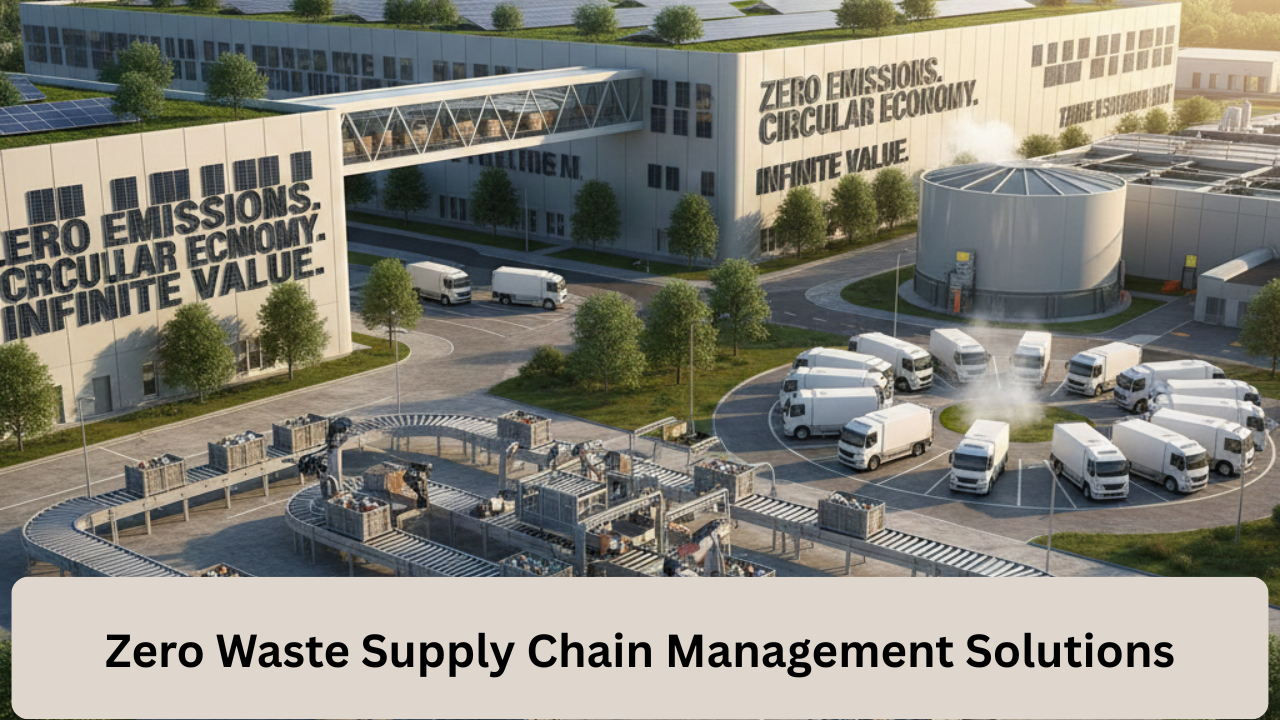
Sustainability is no longer just a nice thing to have; in today’s fast-changing corporate world, it is a must. The supply chain is one of the most important places where businesses can have a real impact on the environment. In a linear paradigm, resources taken out of the ground, turned into goods, shipped, used, and finally thrown away as trash.
It is not only a harmful approach to the environment that has resulted in creating inefficiencies and missed opportunities in business. This is why a number of progressive corporations are resorting to the solutions of zero waste supply chain management. When they use these strategies, they will be able to eradicate waste, optimize the use of resources, and foster the idea of circularity across the entire supply chain.
What is Zero Waste Supply Chain Management?
Zero waste supply chain management refers to a planned design and running of supply chains to minimize or completely do away with waste throughout the entire supply chain; sourcing of raw materials, life of product. This method made by keeping a closed-loop system through continuous reusing of materials, recycling and repurposing of materials. Consequently, organizations not only increase in efficiency of operations but decrease their impact on the environment dramatically.
There are a few important ideas that make up a zero waste supply chain:
Resource Efficiency: Making the best use of materials to cut down on extras and stop waste from happening. Circularity making products and processes such that resources can go back into the supply chain once they are used. Collaboration means getting suppliers, partners, and customers to work together to set sustainable goals and share best practices.
Innovation: Using new technologies, business models, and ways of doing things to cut down on waste. Transparency: Keeping an eye on the flow of materials and waste to find ways to make things better. By following these rules, businesses not only have a smaller impact on the environment, but they also become more competitive and resilient.
Problems with Traditional Supply Chains There are many problems with traditional supply chains that lead to waste, such as:
Overproduction: Making more than what is needed might lead to extra inventory that may need to thrown away.
Packaging Waste: Too much packaging, which is often not recyclable, adds a lot to landfills. Inefficient Logistics: Bad planning for transportation and warehouse management leads to more fuel use and material waste.
End-of-Life things: When there are no ways to return or recycle things, they end up in landfills. Fragmented Collaboration: Suppliers and partners may work in separate groups, making it hard to work together to cut down on waste. To solve these problems, the supply chain strategy and operations need to alter at a systemic level.
Important Solutions for Managing a Zero Waste Supply Chain
Sourcing that lasts
When you use sustainable sourcing, you choose raw materials and suppliers based on their impact on the environment, society, and the economy. Businesses can: Put renewable, recyclable, or biodegradable materials at the top of your list. Work with suppliers who follow environmentally friendly rules and get certifications. Use audits and reviews of suppliers to keep track of how much trash they make and how well they use resources. Sustainable procurement cuts down on waste in the supply chain and helps it stay strong over time.
Lean Manufacturing and Making Processes Better
The goal of lean manufacturing is to get rid of inefficiencies and cut down on waste during production. Some of the most important strategies are: Just-in-Time (JIT) production is making things only when they needed to avoid having too much stock. Automating processes and making things with precision: cutting down on mistakes, scrap, and too much utilization of raw materials. Using less energy and water: using renewable energy and reusing water to make sure that resources aren’t wasted. When you optimize manufacturing processes, you make sure that every input adds value and leaves behind as little waste as possible.
Eco-Design and Managing the Life Cycle of a Product Products
That are made with their whole life cycle in mind might cut down on waste by a lot. Some eco-design strategies are: Making things that are strong, easy to fix, and can changed. Using things that can be recycled or broken down. Making plans for programs that let customers return products and use them again. Companies may help reach zero waste goals and complete material loops by thinking about the end-of-life stage when they create products.
Examples from the Real World
Several companies have been able to implement zero waste supply chain solutions:
- Unilever: With the aim of making their supply chain greener, works on the sustainable sourcing, eco-design, and reduction of packaging waste.
- Nike is applying circular design concepts and recycling to reduce the amount of shoes and clothes waste.
- Toyota employs lean manufacturing and reverse logistics to reduce wastes in the production process and use the supplies to the greatest advantage.
- These examples demonstrate that waste-free supply chains are not only good to the environment, but may also generate profits.
Conclusion
Zero waste supply chain management solutions change the manner in which companies undertake their operations and replace the models of linear and wastefulness into models of efficiency and sustainability. Using the combination of major approaches, which include sustainable sourcing, lean manufacturing, eco-design, waste-reducing packaging, digital analytics, reverse logistics, and collaboration, companies are able to gain environmental and operational advantages.
The adoption of zero waste supply chains may offer organizational environmental, economic, and social advantages. Additionally, the supply chains based on zero waste no longer represent an option; they have become a strategic necessity capable of protecting resources, improving the brand image, and making them resilient to shocks in the environment where resources become less and less abundant.
