
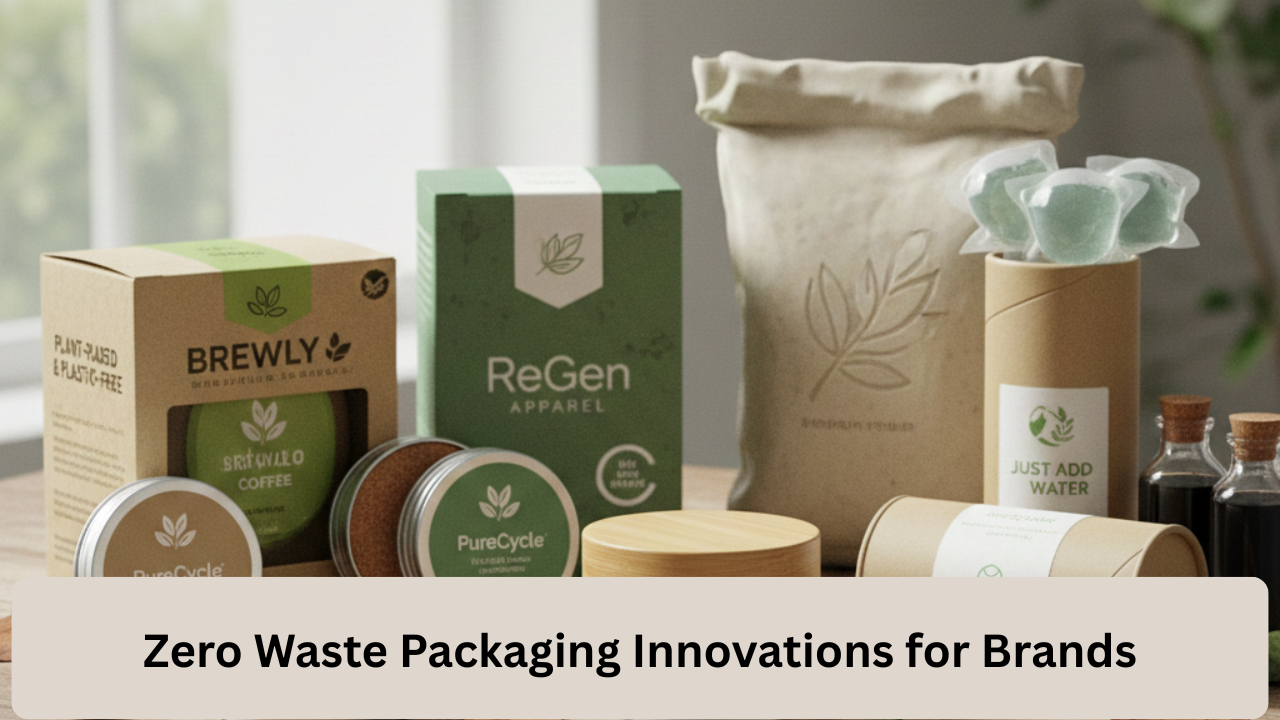
We’ve all been there: struggling with clamshell plastic packaging to get one small thing out or feeling bad about throwing away a single-use coffee cup into a bin that was already full. Packaging has become an inevitable ghost of consumption in our daily lives, always reminding us of the waste we leave behind. But a revolution is happening quietly.
As people become more conscious of how their actions affect the environment, a new generation of businesses is completely changing how they think about this relationship. They are showing that the package is more than just a box; it is a way to show your beliefs, a chance to come up with new ideas, and even a source of joy. This push for zero-waste packaging isn’t about giving up things.
It’s about finding a better, smarter, and more responsible method to get products to our homes. What Does “Zero Waste” Packaging Really Mean? At its core, zero-waste packaging is a new way of looking at things. It tells us to stop thinking about packaging as waste that needs to thrown away and start thinking of it as a useful resource that keeps coming back. The idea is to make sure that every box, bottle, or wrapper made with a specific next life in mind.
Understanding Zero Waste Packaging
There are a few main ideas that make up this philosophy: Thoughtful Minimalism means using only the bare minimum of materials needed to safeguard the object, getting rid of empty space and extra layers. A Thoughtful Afterlife: Putting first items that can be safely and readily composted back into the ground or turned into new goods over and over again.
Built-in Reusability Making packaging so nice or useful that people want to use it again and again, even after the original product gone. Radical Innovation: Looking into completely new materials and processes that make us rethink what “packaging” means. This method turns packaging from a problem for the environment into an important component of a brand’s story and a way for aware consumers to interact with it.
The Problem with the Way Things Are Now Why Change is Necessary Because we depend on traditional packaging, we have built a system that is fundamentally dysfunctional. We face challenges all the time: The Plastics Problem: Regular plastics made to last for hundreds of years, but people only use them for a short time before throwing them away. They break down into tiny pieces that go into our water, soil, and even our bodies.
Challenges with Traditional Packaging
The traditional type of packaging has numerous environmental and operational issues that complicate the change to zero-waste packaging significantly:
Too Much Plastic:
Most of the more traditional packaging methods use a good deal of single-use plastics, which do not decompose and contribute to pollution in landfills and in the ocean.
Single-Use Designs:
The greatest part of packaging is designed to be used only one time, so when a product is sold, every time more wasted.
Resource Inefficiency:
Excessive packaging wastes resources, consumes more energy, and increases the weight, hence increasing transportation cost and carbon footprint.
Less Recyclability:
Not everything employed in traditional packaging is recyclable and in situations where it is recyclable, contamination or lack of sufficient recycling infrastructure usually prevents use.
Negative Brand Perception:
With the increasing awareness of the environmental issues, companies that employ the wasteful packaging will lose serious customers who are concerned about the environment.
Regulatory Pressure:
Governments and other regulatory organizations are increasingly enacting regulations to reduce the waste of packaging. Failure to comply with these rules may attract fines or other forms of punishment. These issues demonstrate the relevance of searching for new and environmentally friendly and affordable ways of packaging that do not leave any waste and attract modern customers.
Real-World Examples of Brand Innovations
In the same way, plant-based plastics manufactured from corn or sugarcane and compostable bags made from potato starch are good options for what to do with trash at the end of its life. They turn trash into soil that is full of nutrients instead of pollution that lasts forever.
The Return of the Milkman Model: Refill and Reuse Some of the best ideas come from remembering things that have been said before. Loop and other modern “milkman” businesses are making beautiful, long-lasting containers for things like ice cream and shampoo. Customers pay a little deposit for the package, and after they done with the product, they just send it back so that it may be carefully cleaned, refilled, and sent out again.
This isn’t just recycling; it’s a system that works in a circle and gets rid of the idea of throwing things away. “Less is More” is beautiful. Minimalist design is not only a fashion, but also a means of assisting the environment. Brands can use a lot less by wiping off any additional layers, reducing the size of labels, and packaging the products to the appropriate size. The effect of this lightweighting is that it reduces the amount of fuel used during shipping and removes costs.
Conclusion
Zero-waste packaging solutions provide brands with an effective solution to minimize effects on the environment and improve the effectiveness of the operations as well as earn the loyalty of the consumer. Brands can shift towards a circular and waste-free system by using sustainable materials, refillable and reusable systems, minimalist design, edible packaging, and smart technologies.
Not only do these innovations contribute to the preservation of the planet, but they also enable competitive advantages, develop better brand reputations, and keep up with the development of consumer demand towards eco-conscious practices. Nowadays, the idea of zero-waste packaging is not merely a choice to make but a strategic necessity that the brands focused on sustainability, innovation, and long-term success must implement.
